Доставка еды в офис in 2024: what's changed and what works
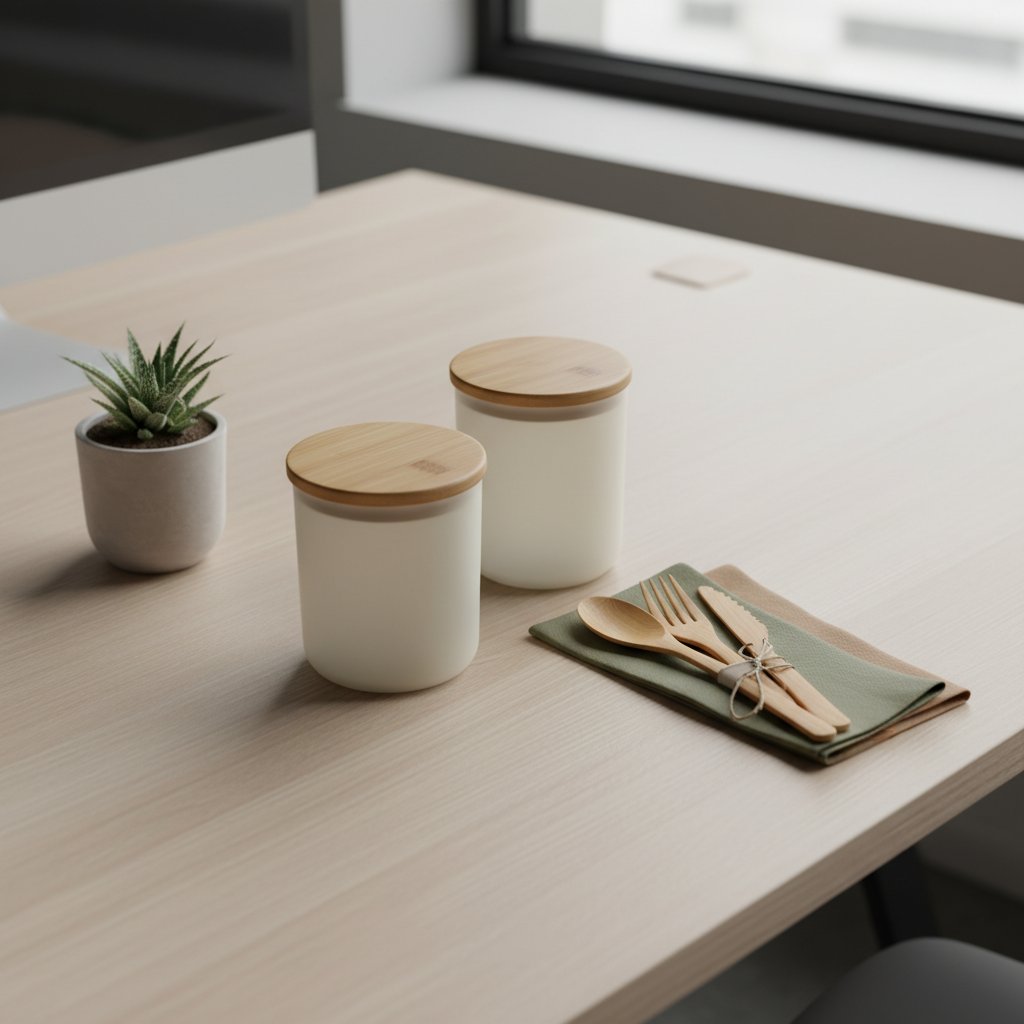
The office lunch landscape has shifted dramatically. Gone are the days when your only options were sad desk sandwiches or another round of the same mediocre cafeteria fare. In 2024, workplace meal delivery has evolved into something far more sophisticated, driven by hybrid work models, wellness trends, and technology that actually works. Here's what's actually changed and what you need to know.
1. Group Orders Got Smart (Finally)
Remember the nightmare of collecting everyone's lunch orders via a chaotic group chat? That's ancient history. Modern platforms now use AI-powered coordination that lets colleagues browse menus simultaneously, set dietary filters, and split payments automatically. Companies like ezCater and Foodsby have cracked the code on making 15-person orders feel as simple as ordering for one.
The real game-changer? Predictive ordering based on past team preferences. Some systems now suggest menus based on what your office ordered three Wednesdays ago, accounting for who's actually in the building that day. One marketing agency in Chicago reported cutting their lunch coordination time from 45 minutes to under 5 minutes per order.
2. The Rise of "Lunch Subscriptions" for Teams
Fixed-price meal programs have exploded in popularity, especially for companies bringing people back to offices 2-3 days per week. Instead of ad-hoc ordering chaos, businesses now lock in weekly or monthly meal plans at rates 20-30% lower than traditional delivery.
These aren't your grandfather's catering contracts. Modern subscriptions offer rotating menus from multiple restaurants, accommodate last-minute headcount changes, and include detailed nutrition data. A tech startup in Austin switched to a subscription model and saved roughly $180 per person monthly while actually improving meal variety. The key difference? Flexibility without the premium delivery fees stacking up.
3. Health Tracking Integration That People Actually Use
Wellness programs and meal delivery have finally merged in a way that doesn't feel forced. Apps now sync with Fitbit, Apple Health, and other trackers, letting employees choose meals that align with their actual health goals—not just vague "healthy options."
Want a lunch under 600 calories with at least 35g of protein? Done. Need to avoid seed oils or stick to a Mediterranean diet? The filters actually work now. Companies are seeing 40-50% higher participation in wellness initiatives when meals integrate with existing health apps rather than requiring separate logins and manual tracking.
4. Delivery Windows Became Reliable
The wild west days of "sometime between noon and 2pm" are over. GPS tracking and better logistics algorithms mean you can now trust a 12:15-12:30 window. Seriously.
This matters more than it sounds. When lunch shows up at 1:45pm, people get hangry, meetings run long, and productivity tanks. The best services now guarantee 15-minute windows and actually hit them 85-90% of the time. They've also added features like "meeting mode" that automatically adjusts delivery for when your team's calendar shows back-to-back calls.
5. Local Restaurant Partnerships Over National Chains
The pandemic taught everyone that supporting local spots matters. In 2024, the most successful office meal programs curate partnerships with neighborhood restaurants rather than defaulting to the same chain options.
This isn't just feel-good PR. Local partnerships typically mean fresher food, shorter delivery distances, and menus that change seasonally. A financial services firm in Seattle built relationships with eight restaurants within a mile radius and saw employee satisfaction scores jump by 35%. Their secret? Rotating through partners weekly so teams get genuine variety without decision fatigue.
6. Dietary Accommodations Became the Default
Handling gluten-free, vegan, kosher, and halal requests used to require a dedicated coordinator with a spreadsheet. Now it's baked into the ordering flow. Modern systems flag cross-contamination risks, verify certifications, and remember individual preferences automatically.
The cultural shift matters here too. Companies stopped treating dietary needs as "special requests" and started viewing them as standard operating procedure. When everyone can actually eat what's ordered—without awkward conversations or separate orders—team lunches become inclusive by design rather than as an afterthought.
7. Sustainability Metrics That Show Real Impact
Carbon footprints, packaging waste, food miles—these used to be abstract concepts. Now you get actual data. Order summaries include how many single-use plastics were avoided, CO2 saved by batching deliveries, and food waste diverted through precise portioning.
Some platforms partner with composting services and provide monthly impact reports that companies can include in ESG reporting. It's not greenwashing when you can see that your office's meal choices over three months prevented 47 pounds of plastic from hitting landfills. Numbers make it real.
The office meal scene in 2024 isn't just about convenience anymore. It's about using technology to make group dining simpler, healthier, and more sustainable without requiring someone on your team to become a full-time lunch coordinator. The companies that figured this out aren't treating workplace meals as an afterthought—they're using them as a genuine perk that brings people together when it actually matters.