The real cost of Доставка еды в офис: hidden expenses revealed
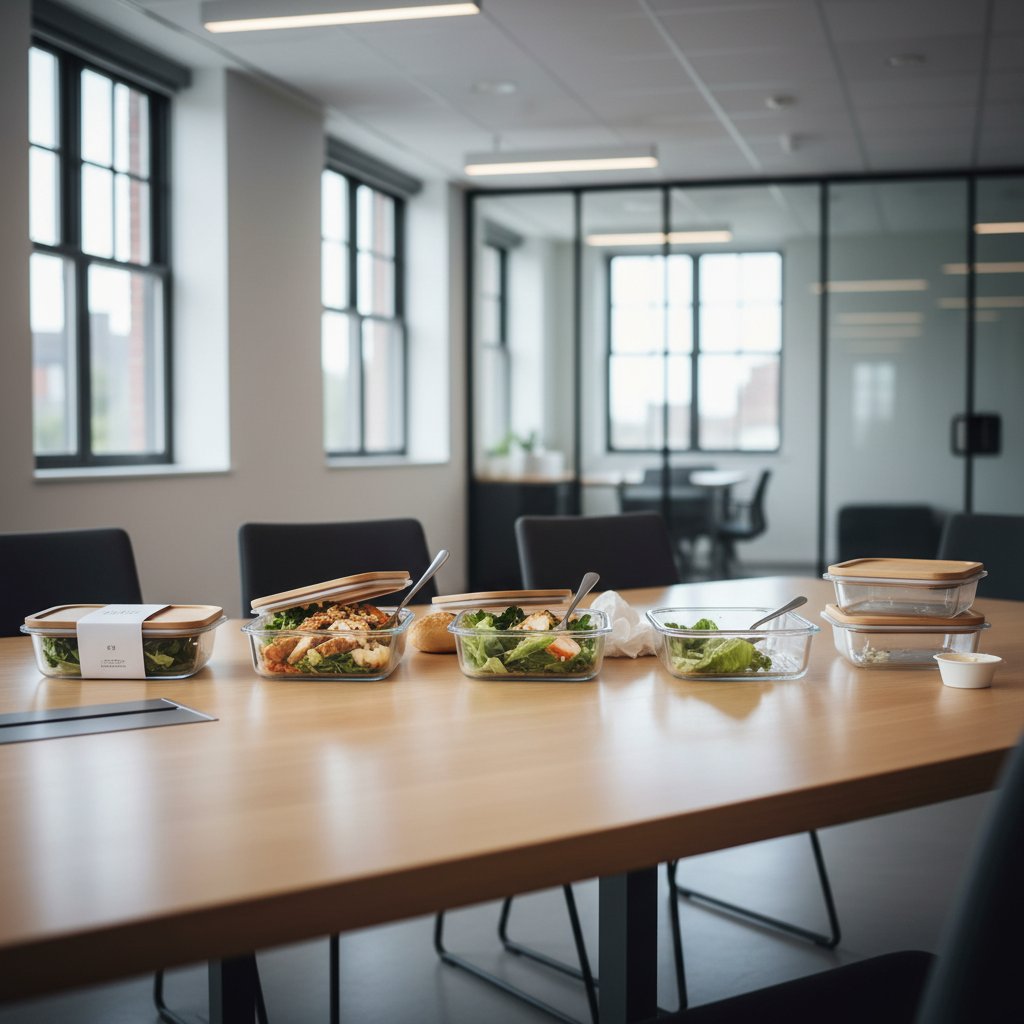
That $12 Lunch Just Cost Your Company $47
Maria, an HR manager at a mid-sized tech company in Moscow, thought she'd cracked the code on employee satisfaction. Daily office meal delivery seemed like a no-brainer: happy employees, better productivity, and the price tag looked reasonable at first glance. Three months later, she sat staring at spreadsheets that told a very different story. What appeared to be 800 rubles per person per day had ballooned into something far more expensive—and most of it wasn't even on the invoice.
Office food delivery has exploded across Russian workplaces over the past five years. Walk into any business district between noon and 1 PM, and you'll see couriers juggling thermal bags like circus performers. The convenience is undeniable. But here's what nobody mentions in those glossy service brochures: the actual cost of feeding your team extends far beyond the menu prices.
The Invoice Tells Half the Story
Let's start with the obvious expenses. Most corporate meal delivery services charge between 350-1,200 rubles per meal, depending on the menu tier. Multiply that by 20 working days and 30 employees, and you're looking at 210,000-720,000 rubles monthly. That's the number that gets approved in budget meetings.
But then the hidden stuff starts creeping in.
The Time Tax Nobody Calculates
Someone needs to collect orders daily. It takes about 15 minutes to gather preferences, handle dietary restrictions, and submit the order. That's 5 hours monthly of paid employee time. If your office manager earns 80,000 rubles monthly, you're spending roughly 10,000 rubles just on order coordination.
Distribution eats up more time. When 30 lunches arrive simultaneously, someone spends 20-30 minutes sorting boxes, handling mistakes, and dealing with "I ordered without onions" situations. Another 7,500 rubles in labor costs monthly.
The Space Problem
Those meals need somewhere to go. Most offices dedicate refrigerator space, counter area, and storage for delivery packaging. A recent survey by Russian HR consultancy Antal found that companies allocate an average of 4 square meters for meal-related storage. In Moscow's premium office space at 25,000 rubles per square meter annually, that's 100,000 rubles yearly in real estate costs tied directly to your lunch program.
The Waste Factor
Here's where things get uncomfortable. Industry data shows that 12-18% of ordered meals go partially or completely uneaten. Employees order out of habit, then a meeting runs late, or they're not hungry, or the dish isn't what they expected.
"We tracked our waste for two months and nearly fell over," admits Dmitry, operations manager at a fintech startup. "We were throwing away roughly 65,000 rubles worth of food monthly. That's 780,000 rubles annually going straight into the trash."
The environmental cost doesn't appear on balance sheets, but the disposal does. Additional waste management fees, extra trash bags, more frequent pickups—it adds up to roughly 3,000-5,000 rubles monthly for a 30-person office.
The Hidden Health Costs
This one's tricky to quantify, but nutritionists have noticed a pattern. Restaurant meals typically contain 30-50% more calories and sodium than home-prepared food. Over time, this contributes to health issues that manifest as increased sick days and lower productivity.
Russian companies average 8-10 sick days per employee annually. If poor nutrition from daily restaurant food contributes to even one additional sick day per person yearly, that's 30 days of lost productivity. At an average daily rate of 4,000 rubles per employee, that's 120,000 rubles in hidden costs.
The Satisfaction Paradox
You'd think free lunch equals happy employees. Not always. After the novelty wears off—usually around month two—complaints start rolling in. The menu gets boring. Delivery arrives late. Someone's order is wrong again.
A 2023 study by the Russian Union of Industrialists and Entrepreneurs found that employee satisfaction with corporate meal programs drops 34% after the first quarter. You're paying the same amount for diminishing returns.
What the Numbers Really Look Like
Let's build a complete picture for a 30-person office using mid-range meal delivery at 600 rubles per person daily:
- Direct meal costs: 360,000 rubles/month
- Order coordination labor: 10,000 rubles/month
- Distribution labor: 7,500 rubles/month
- Space allocation: 8,300 rubles/month (100,000 annually)
- Food waste: 65,000 rubles/month (18% waste rate)
- Additional waste management: 4,000 rubles/month
- Health-related productivity loss: 10,000 rubles/month (120,000 annually)
Total monthly cost: 464,800 rubles. That's 29% more than the invoice price. Your 600-ruble lunch actually costs 773 rubles per person.
Key Takeaways
- The true cost of office meal delivery runs 25-35% higher than menu prices alone
- Labor, space, and waste represent the largest hidden expenses
- Employee satisfaction with meal programs typically drops by one-third after three months
- Food waste accounts for 12-18% of total meal spending in most offices
- A complete cost analysis should include coordination time, storage space, waste management, and health impacts
Does this mean office meal delivery is a bad idea? Not necessarily. But it means going in with eyes wide open. The companies getting real value are those who've calculated the full cost, negotiated better terms, implemented waste-reduction strategies, and regularly surveyed their teams about satisfaction.
That $12 lunch can absolutely be worth $47—if you know exactly what you're paying for and why. The trick is making sure those hidden costs are actually buying something valuable, not just accumulating in the shadows of your budget.